The Closing Conference of the Democracy and Transparency: Empowering Civic Participation and Media Freedom Project
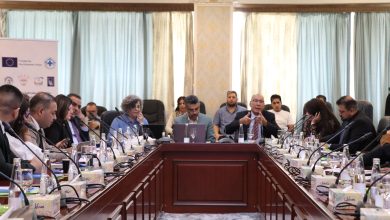
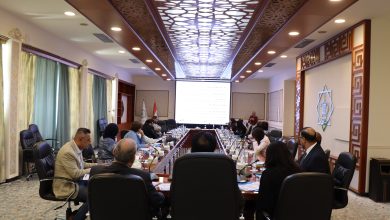
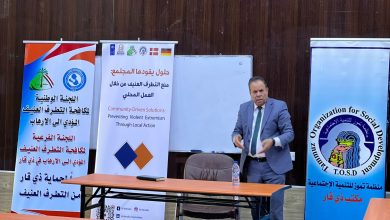
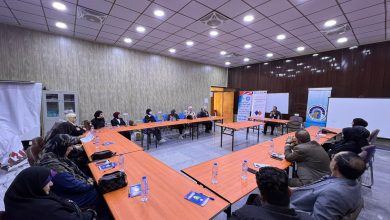
Tammuz Organization for Social Development, in cooperation with Shams and Ein Election Monitoring Networks, in partnership with Norwegian People’s Aid (NPA), and funded by the European Union, organized the closing conference of the “Democracy and Transparency: Empowering Civic Participation and Media Freedom” project on Sunday, 23 August 2026, at Divan Hotel in Erbil.
The conference was attended by representatives of the project’s partner organizations, along with a number of government officials and stakeholders involved in the electoral process, civil society organizations, and election monitoring networks. The conference included a brief presentation of the implementation roadmap for activities and events carried out during the period 2024–2026, as well as an overview of the project’s key achievements.
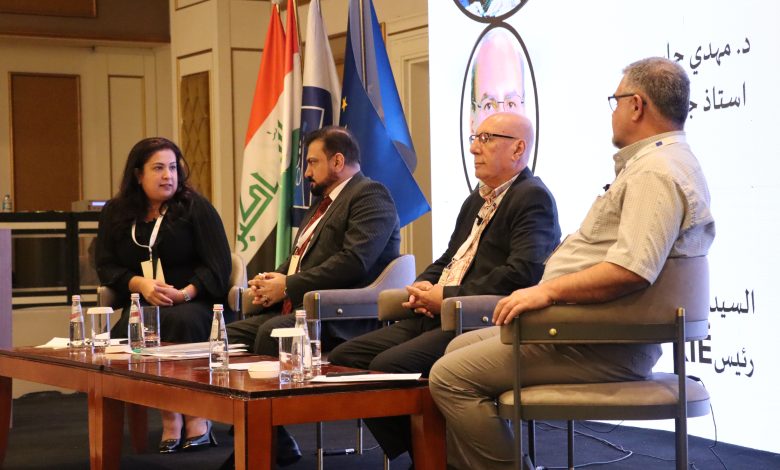
The conference featured two panel discussions. The first, titled “The Experience of the 2024 Kurdistan Parliament Elections,” included Electoral Commissioner Judge Amer Al-Husseini, university professor and researcher Mahdi Jaber, and President of the Kurdish Electoral Institute Aram Jamal. The session discussed the experience of the elections in the Kurdistan Region, as well as the main challenges encountered and lessons learned.
The second session, titled “The 2025 Iraqi Parliamentary Elections – Challenges and Lessons for the Future,” featured Hazem Al-Ghalibi, Director of the Procedures Department at the National Office of the Independent High Electoral Commission; Dr. Asmaa Jameel, university professor and researcher with Tammuz Organization; and Sarbest Mustafa, President of Jaf Network and representative of the Alliance of National Election Monitoring Networks and Organizations.
The two sessions featured discussions and an exchange of views on the electoral process and experiences in monitoring elections, as well as the main challenges encountered during the Kurdistan Parliament elections and the Iraqi Parliamentary elections. Participants also discussed lessons learned and ways to improve the electoral process and strengthen transparency and civic participation in future electoral cycles. Attendees were also given the opportunity to raise questions and comments and discuss a number of issues related to the electoral process and its monitoring.
The conference concluded by emphasizing the importance of continued cooperation and coordination among government institutions, civil society organizations, and election monitoring networks, in a manner that contributes to supporting the democratic process and strengthening integrity, transparency, and civic participation in elections.